

AI Capability Assessment & Training Measurement
Measure your team's actual AI capability with structured assessments, track growth over time, and prove the ROI of your training investment.
You've invested in AI training for your team. But can you actually prove it's working?
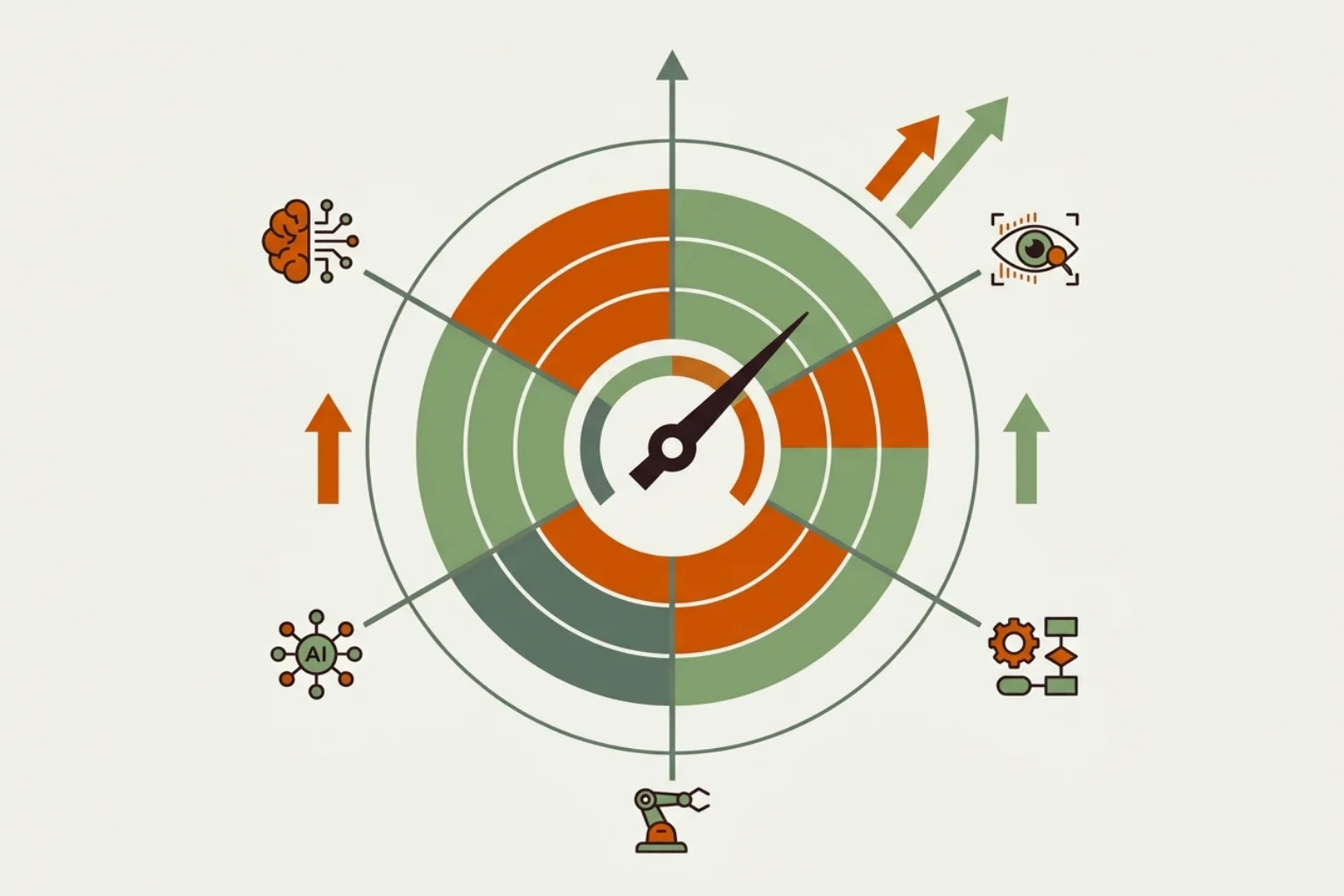
What is the problem?
AI training is everywhere. Workshops, courses, lunch-and-learns, platform subscriptions. But measuring whether any of it has actually changed how your team works is surprisingly difficult. Self-reported confidence scores are unreliable. Usage metrics tell you who's logging in, not who's getting value. And 'did you enjoy the session?' feedback forms measure satisfaction, not capability. The result is a training budget with no measurable return, and no way to know which interventions are working and which are wasted.
How does AI solve this?
We build structured AI capability assessments that test real skills, not just confidence. Scenario-based questions that reveal whether someone can apply AI to their actual work, not just describe what AI is. Assessments run before and after training interventions, giving you a clear picture of what changed and where gaps remain. Results feed into personalised learning paths so each person gets the support they actually need.
How does this work in practice?
1. Design the assessment
We build scenario-based questions tailored to your industry and roles. These test application, not theory. Can someone actually use AI to solve the problems they face at work?
2. Baseline measurement
Run the assessment before training begins. This gives you an honest picture of where your team is starting from, by role and by team.
3. Deliver training interventions
Whether it's our training or yours, the assessment framework sits around it, measuring what actually shifts.
4. Post-training measurement
The same assessment framework, run again. The delta between baseline and post-training is your evidence of capability growth.
5. Individual feedback and learning paths
Each participant gets specific feedback on where they've grown and where they still have gaps, with targeted resources for continued development.
What are the benefits for your team?
Prove training ROI
Measurable capability growth that you can report to leadership. Not satisfaction scores. Not attendance figures. Actual skill improvement.
Identify hidden gaps
Teams that report high confidence often have specific blind spots. Scenario-based assessment finds them.
Personalise development
Stop giving everyone the same training. Direct resources to where they'll have the most impact for each person.
Anti-gaming design
Questions are designed so you can't bluff your way through. They test whether someone can do the thing, not describe the thing.
Track progress over time
Run assessments quarterly and build a longitudinal picture of your organisation's AI capability growth.
Related services
Explore how we can help you implement this.

Ready to explore this for your team?
Let's have a no-obligation chat about how this could work for your business.
Explore other use cases
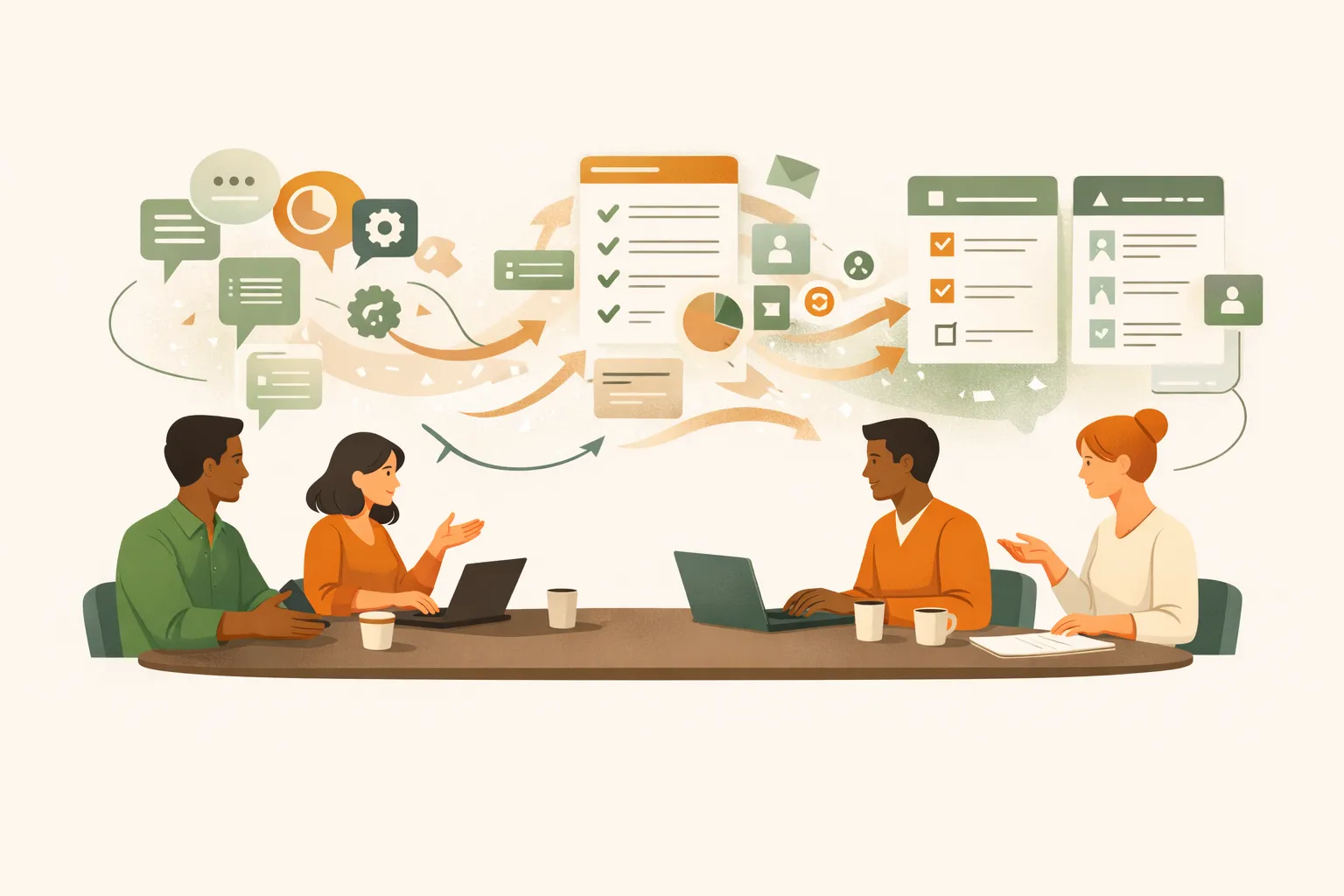
Smarter Meeting Summaries
Stop losing great ideas after meetings. AI automatically creates clear summaries, action items, and project updates from your meeting transcripts in minutes.
See how it works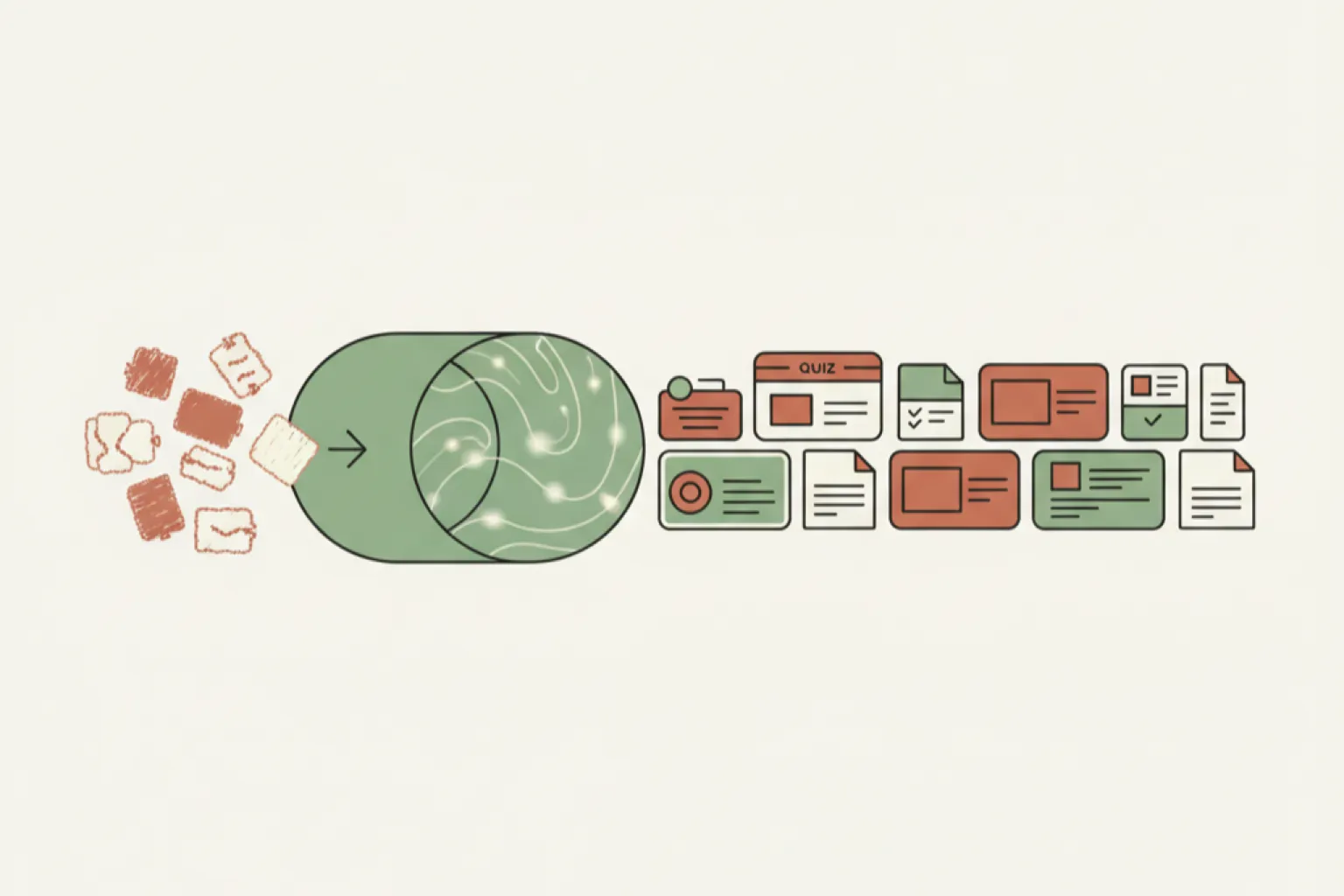
Course and Training Content Generation
Cut course development time from weeks to days — AI-assisted content workflows that turn your expertise into polished training materials.
See how it works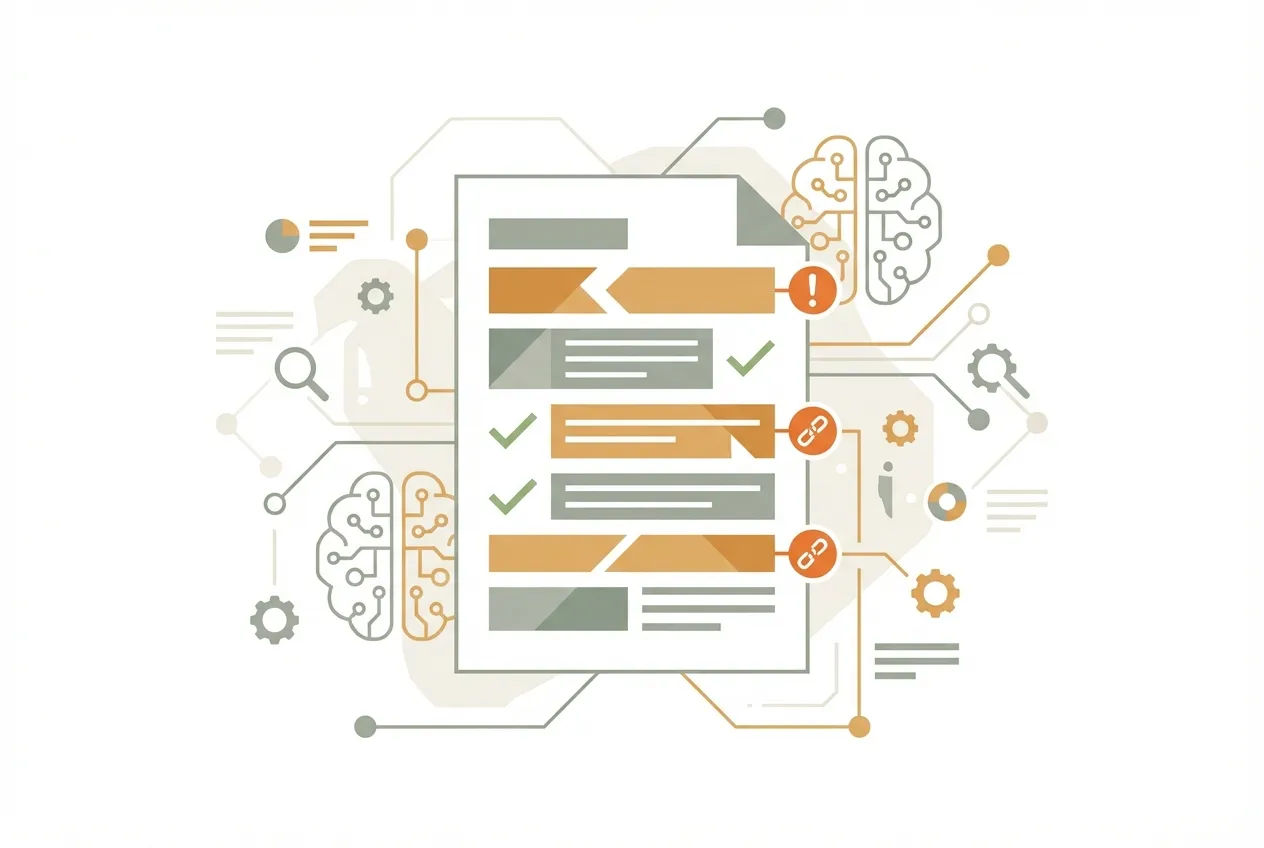
Instant Document Assessment
Let AI review your documents for quality, clarity, and compliance before they reach a client - in seconds, not hours.
See how it works
Your Business Context Document
The one document that makes every AI tool immediately useful — your company's permanent briefing note for every AI interaction.
See how it works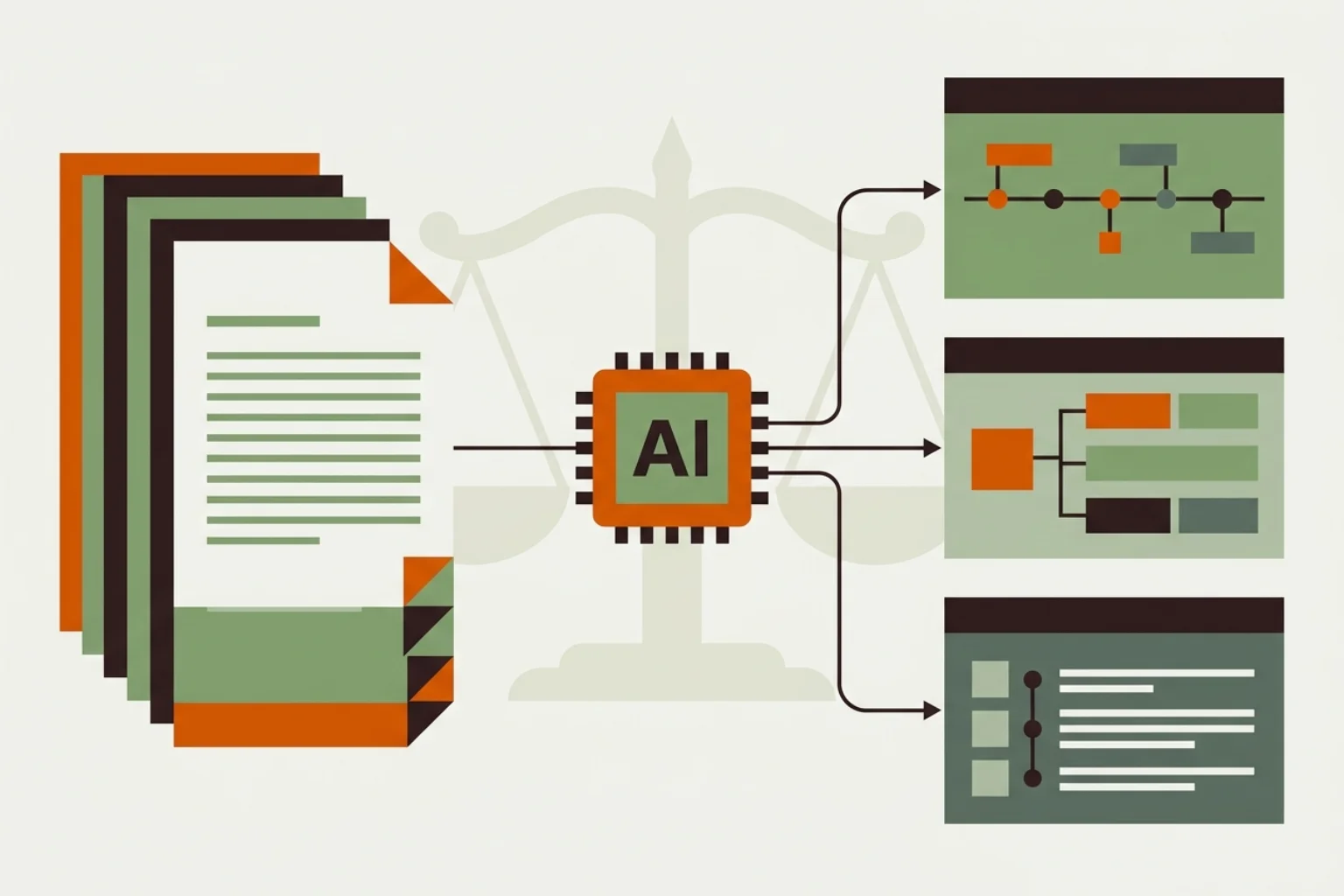
AI-Assisted Legal Case Preparation
AI reads case files, precedents, and evidence to produce structured legal research and arguments, cutting preparation time from days to hours.
See how it works
Centralised Team Knowledge
Build a centralised AI knowledge system your team can query in plain English. Get instant, sourced answers from HR policies, technical docs, and company procedures.
See how it works