

Proposal-to-Brief Meeting Extraction
Turn client meetings into clean, structured briefs automatically. AI extracts requirements, scope, and next steps so your team starts work faster.
How often do important details from a client conversation get lost between the meeting and the brief?
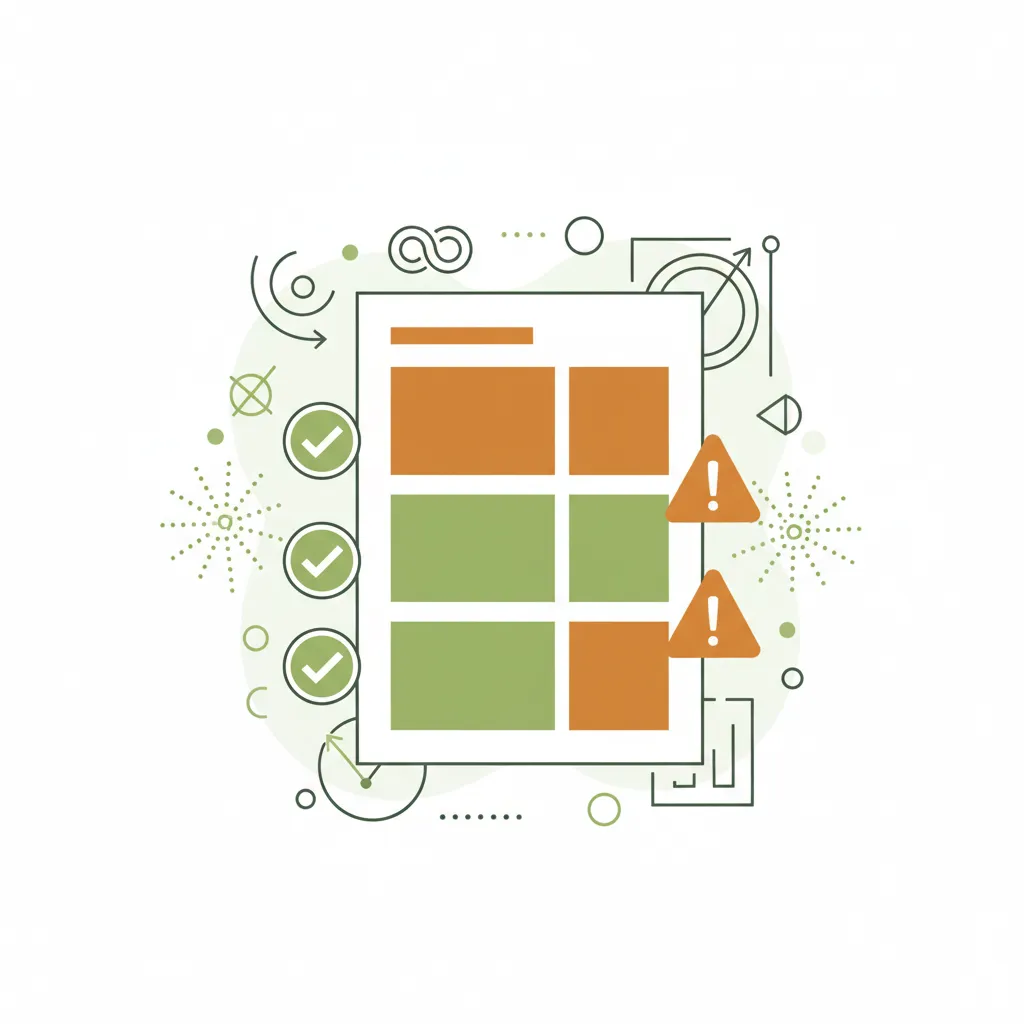
What is the problem?
A great discovery meeting generates a lot. Pain points, context, priorities, budget signals, the offhand comment that turned out to be the real issue. But the gap between what's said in the room and what ends up in the brief is enormous - because whoever was asking the questions was also supposed to be writing. And notes taken in a meeting are never as good as a document written afterwards. Except writing it afterwards takes hours.
How does AI solve this?
We set up an AI workflow that takes the recording of your discovery or sales meeting and automatically extracts the structured brief: client background, stated problems, priorities, scope indicators, and key next steps. What usually takes 90 minutes of writing happens in two minutes of processing.
How does this work in practice?
Record the conversation
Use any recording tool you already rely on. If recording isn't practical, AI works equally well from a rough transcript or structured notes taken during the session.
Extract the structured brief
AI identifies and organises the key information from the conversation: client background, pain points, stated priorities, budget indicators, open questions, and recommended next steps - all in a consistent, readable format.
Generate a proposed scope of work
From the brief, AI drafts an initial scope - a structured outline of what the engagement might look like, based on what the client actually said rather than what you assumed they meant.
Review and add your judgement
Your team reads the output, adjusts the scope, adds context the AI can't infer, and shapes it into something presentable. The hard work of structuring is already done.
Send a summary back to the client
Share a written summary of what you heard. It demonstrates you were listening, builds trust immediately, and surfaces any misunderstandings before they become problems.
What are the benefits for your team?
Capture everything, including what seemed minor
Full transcripts mean nothing gets dropped. The offhand comment that reveals the real concern is in the brief, not forgotten on the drive back to the office.
Start work faster
Brief in hand the same day as the meeting, not three days later. Your team can move from conversation to proposal without the usual lag.
Give clients a better experience
An accurate, detailed written summary of what you heard builds trust immediately and sets the tone for the whole engagement.
Free your best people from note-taking
The person running the conversation can focus entirely on listening and asking better questions. AI handles the documentation.
Related services
Explore how we can help you implement this.
AI Native Foundry
We work alongside you to design, build, and introduce practical AI solutions tailored to your business.
From $3,000 · Starting from, per project
Explore the foundry
AI Native Programme
A collaborative partnership for organisations ready to get value from adopting AI. We'll guide your team in building their skills and confidence.
From $2,475 · Per month
Discover the programmeReady to explore this for your team?
Let's have a no-obligation chat about how this could work for your business.
Explore other use cases
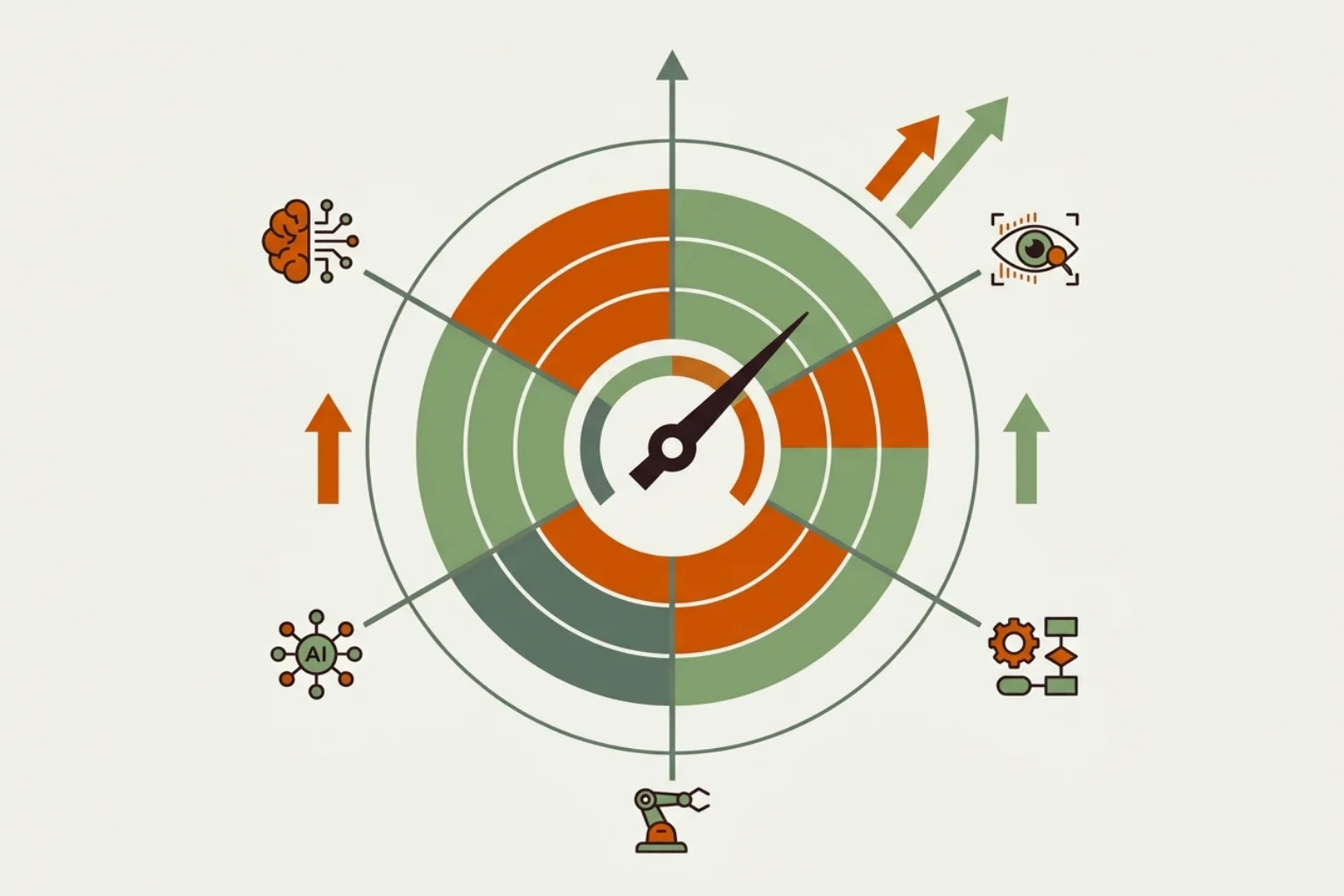
AI Capability Assessment & Training Measurement
Measure your team's actual AI capability with structured assessments, track growth over time, and prove the ROI of your training investment.
See how it works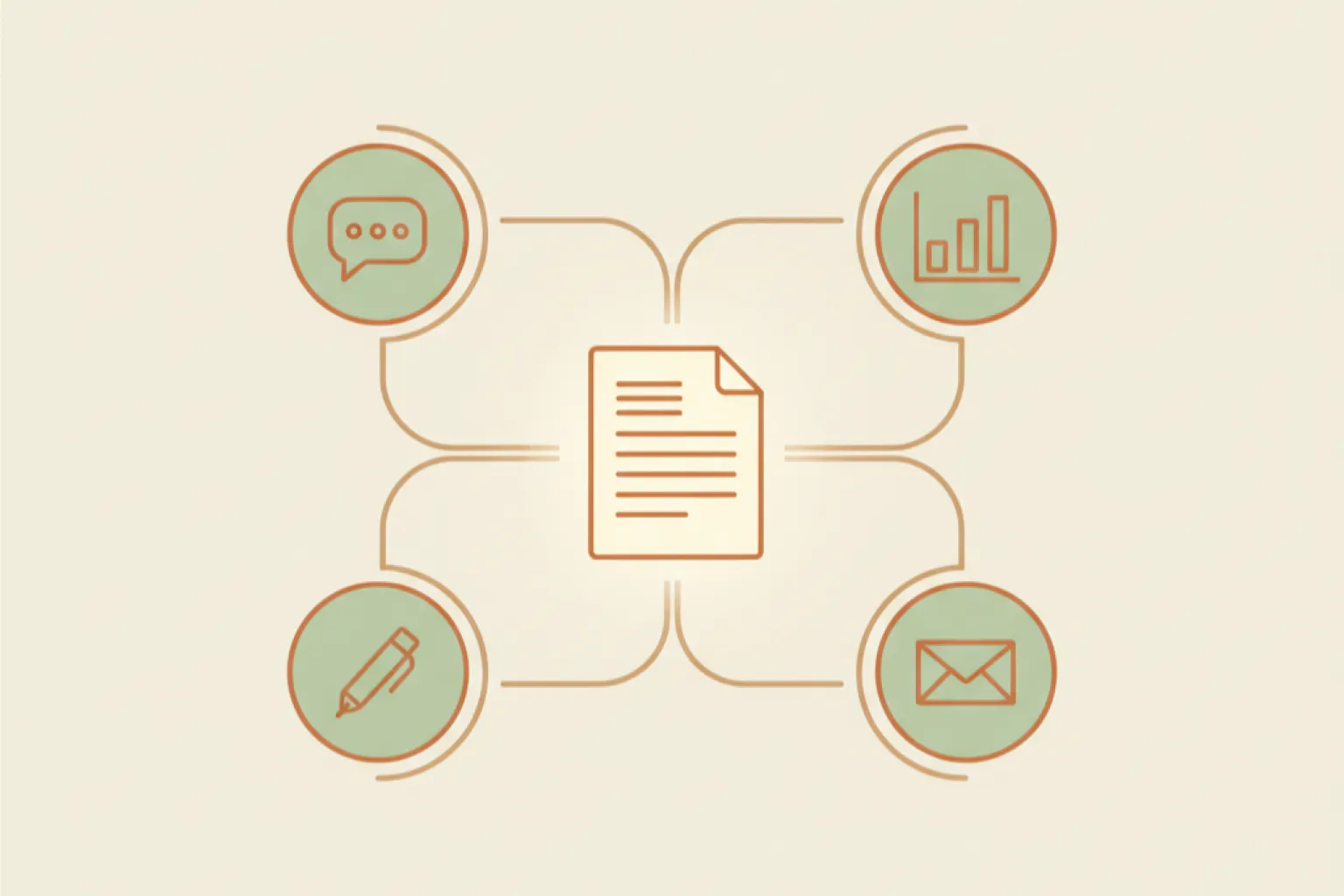
Your Business Context Document
The one document that makes every AI tool immediately useful — your company's permanent briefing note for every AI interaction.
See how it works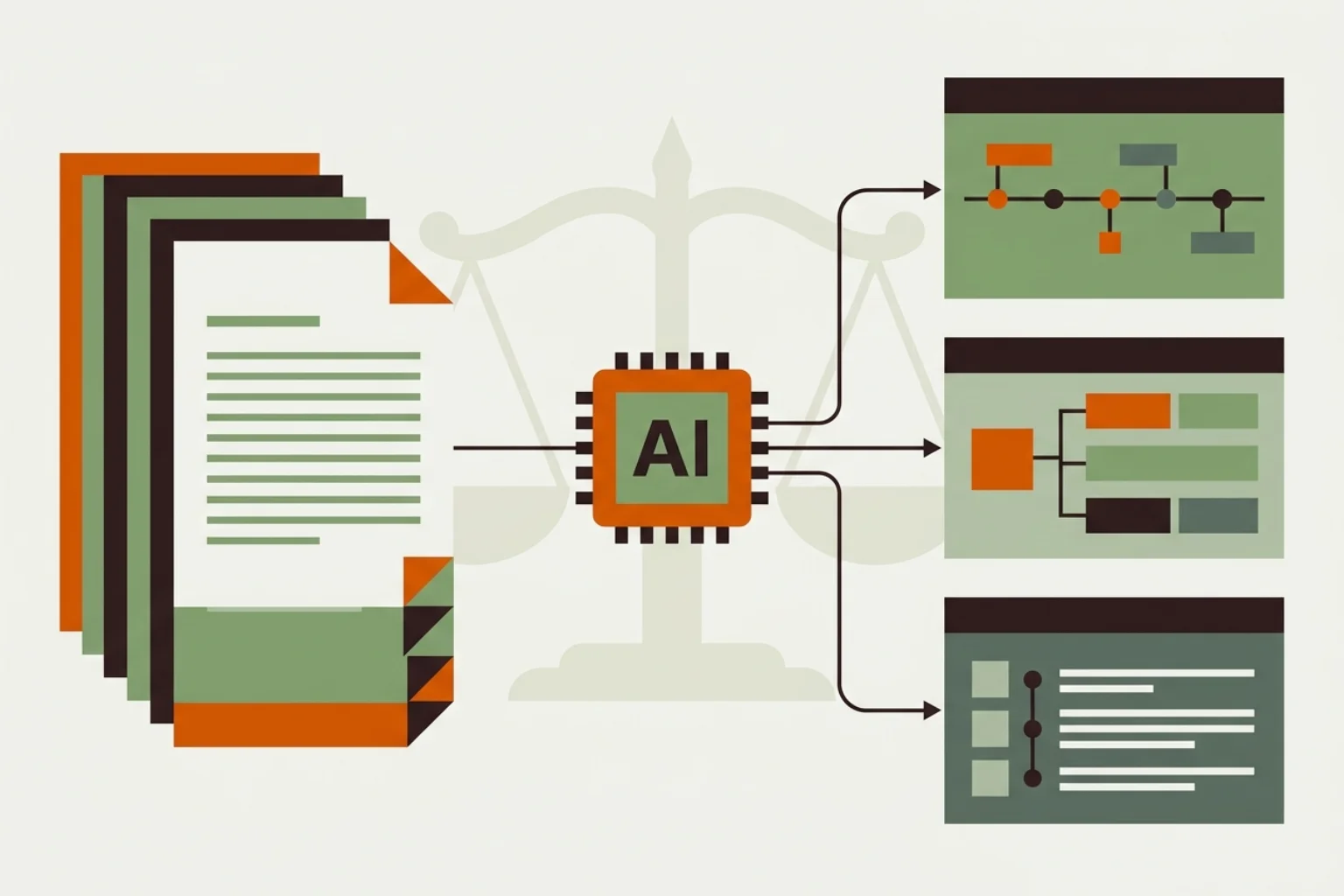
AI-Assisted Legal Case Preparation
AI reads case files, precedents, and evidence to produce structured legal research and arguments, cutting preparation time from days to hours.
See how it works
Expert Knowledge Capture
Capture 20 years of expertise before it walks out the door — structured Voice Sessions that turn tacit knowledge into searchable, teachable resources.
See how it works
Tone of Voice System
Stop sounding like a robot — build an AI style guide that makes every piece of content sound unmistakably like your brand.
See how it works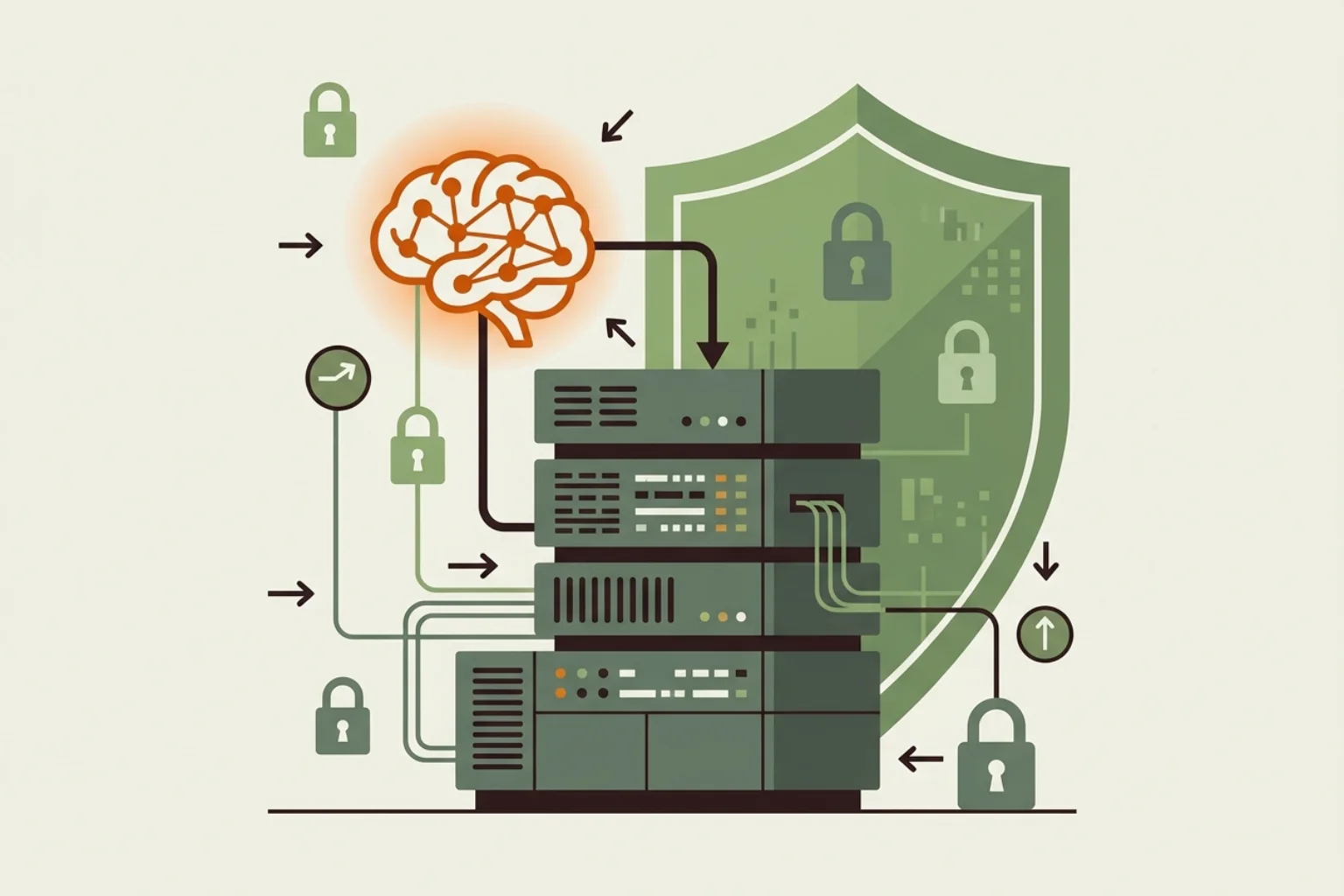
Self-Hosted AI Platform for Teams
Deploy a private, self-hosted AI platform for your team with full control over data, models, and access, no sensitive information leaving your network.
See how it works