

Multi-Country AI Deployment Strategy
Plan and execute AI deployment across multiple countries, navigating data sovereignty laws, language requirements, and regional infrastructure constraints.
Your AI strategy works brilliantly at head office. But what happens when you try to roll it out across five countries with different laws, languages, and infrastructure?
What is the problem?
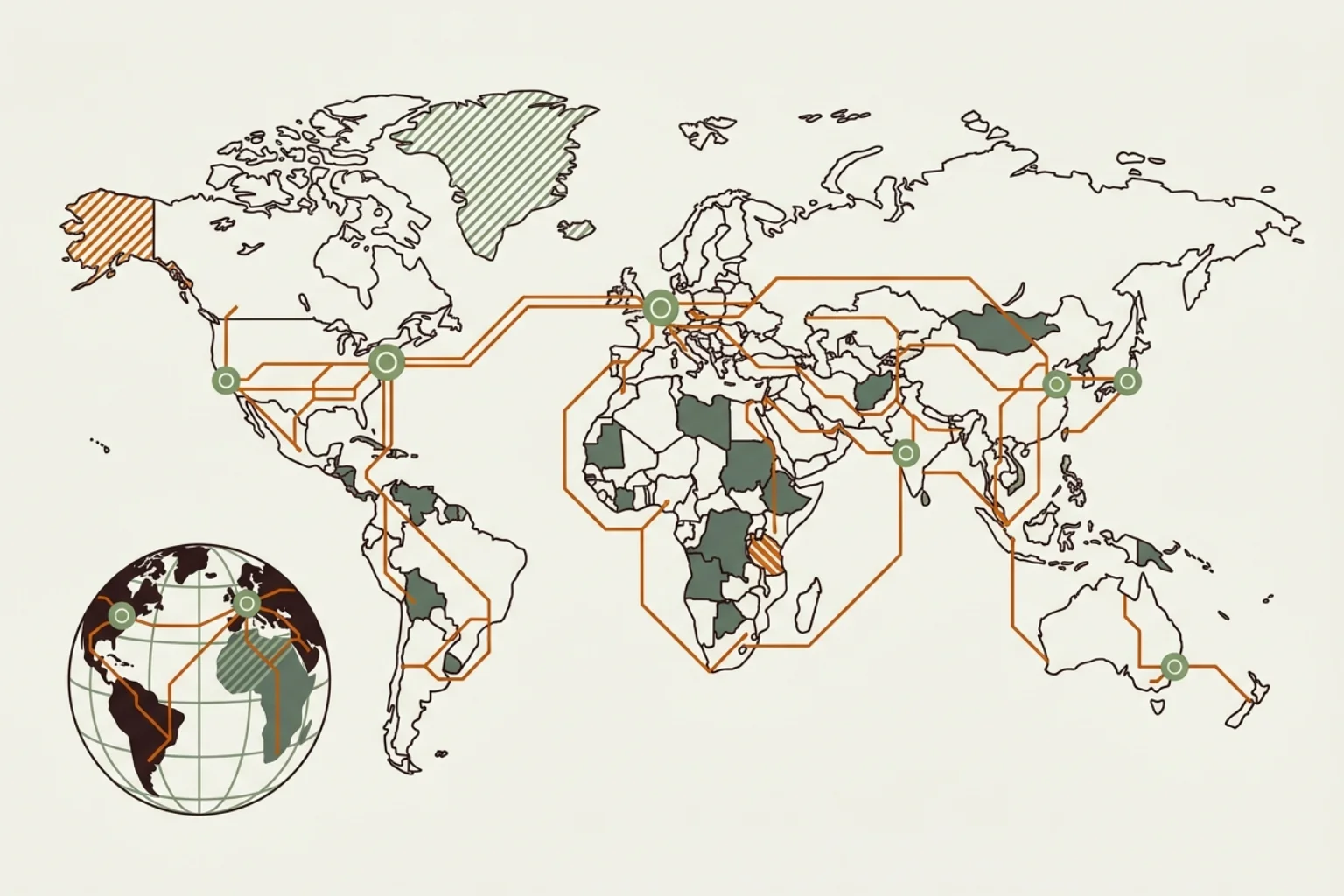
Businesses operating across multiple countries face a version of the AI challenge that most consultants never address. Data sovereignty laws differ between jurisdictions. Some countries restrict which AI models can process local data. Infrastructure varies wildly, from high-speed cloud in one location to unreliable connectivity in another. Teams speak different languages and have different levels of technical sophistication. A one-size-fits-all AI deployment simply doesn't work, and getting it wrong can mean regulatory fines, not just poor adoption.
How does AI solve this?
We design a deployment strategy that accounts for the legal, linguistic, and infrastructure realities of each country you operate in. This means identifying which AI tools and models are compliant in each jurisdiction, designing data architectures that respect sovereignty requirements, planning for infrastructure constraints, and building rollout sequences that match each team's readiness.
How does this work in practice?
Regulatory landscape mapping
For each country: data residency requirements, AI-specific regulations, privacy laws, and any restrictions on specific AI providers or models.
Infrastructure assessment
What's the connectivity, compute availability, and existing technology stack at each location? This shapes what's technically feasible, not just what's desirable.
Architecture design
Design a data architecture that keeps data where it needs to stay, routes processing through compliant infrastructure, and handles cross-border workflows safely.
Localisation planning
Which languages are needed? What cultural adaptations matter for adoption? How do you train teams who don't share a common language or technical baseline?
Phased rollout plan
Sequenced deployment starting with the most ready location, building learnings before rolling out to more complex environments.
What are the benefits for your team?
Avoid regulatory surprises
Know the rules before you deploy, not after you've moved data across a border you shouldn't have.
Realistic, not theoretical
Plans built around actual infrastructure and team capability, not aspirational diagrams that ignore ground-level constraints.
One strategy, multiple implementations
A coherent global AI strategy with country-specific implementations that respect local requirements whilst maintaining organisational alignment.
Compliance as a competitive advantage
In regulated industries, demonstrating compliant AI deployment across jurisdictions builds trust with customers, regulators, and partners.
Related services
Explore how we can help you implement this.

Ready to explore this for your team?
Let's have a no-obligation chat about how this could work for your business.
Explore other use cases
Healthcare and Clinical Admin Automation
Give your clinical team less paperwork and more time with patients — AI workflows for referrals, documentation, and rostering in healthcare environments.
See how it works
A Custom App for Your Team
Purpose-built iOS apps scoped, built, and deployed directly to your team's iPhones via TestFlight - in weeks, not months.
See how it works
Professional Services AI Adaptation
For expert service businesses where AI could replace your core offering, we help you adapt your model so your expertise becomes more valuable, not less.
See how it works
Personalised Learning Path Generator
Help every learner find exactly what they need — AI that makes your content library searchable, queryable, and adaptive to each student.
See how it works
Company-Wide AI Transformation Programme
A structured programme that takes your entire business from AI-curious to AI-capable, team by team, over 6 to 12 months.
See how it works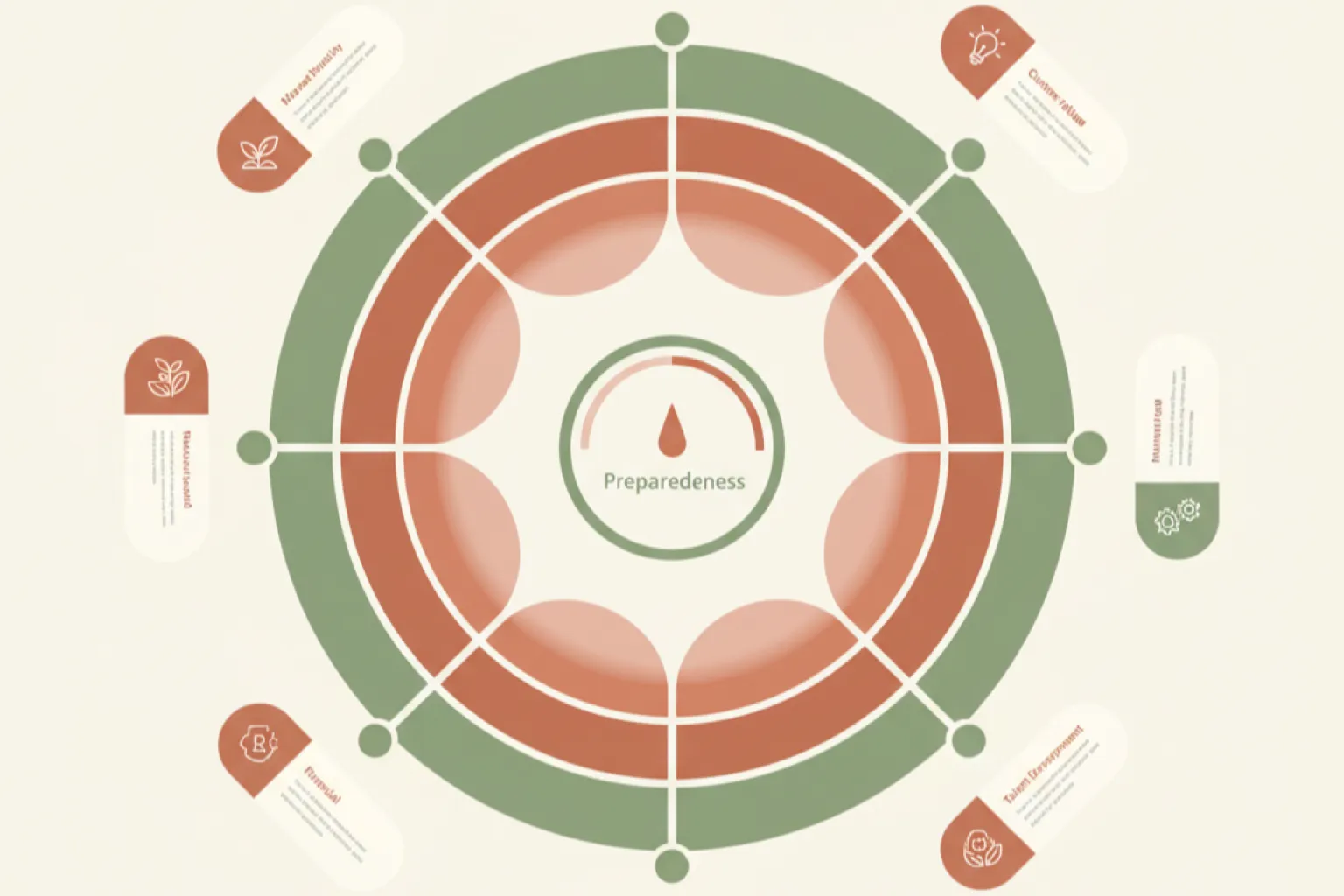
AI Readiness Assessment
Find out exactly where AI can have the biggest impact on your business — a personalised report with your top use cases, ranked by impact.
See how it works